
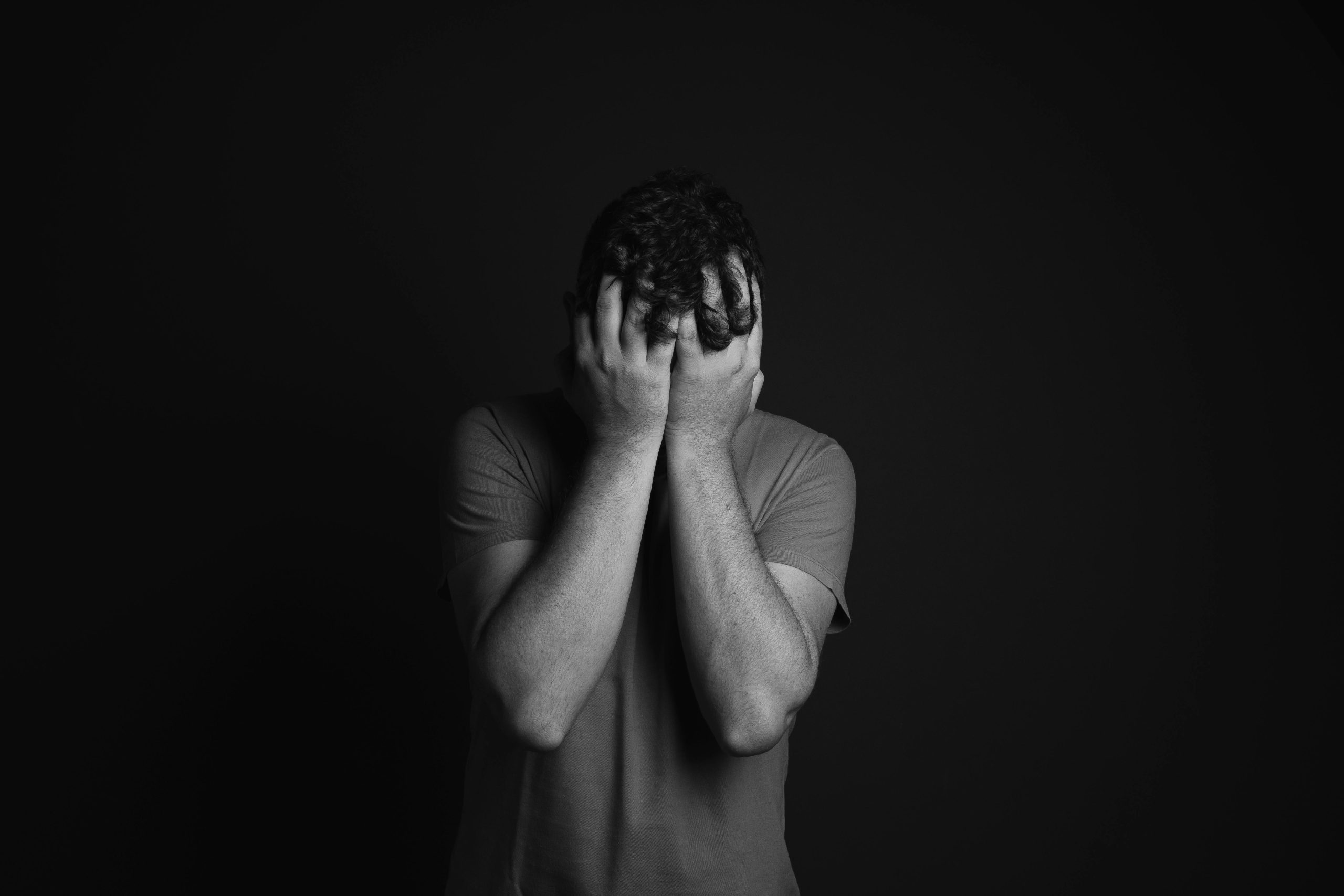
There are some experiences that shake you so deeply, they change the way you see yourself, other people, and the world. Being betrayed by someone you trusted with your whole heart is one of them. Being falsely accused, smeared in public, and made to feel like the villain in your own life is another.
If you’ve lived through something like this, you may know the heavy weight of it: the constant fear, the isolation, the voice in your head that whispers, “Maybe I am the problem. Maybe I am the bad person. I’ll never feel safe again.”
But here’s something important, something that can feel hard to believe when you’re in the thick of it:
What you’re feeling is not weakness. It’s a human response to something no one should have to endure. And people do recover from this.
Betrayal trauma is real
When someone you’ve given everything to turns against you, it doesn’t just hurt emotionally. It hits your nervous system. Your brain learns, the hard way, that closeness can be dangerous. That trust can be used as a weapon.
So you protect yourself. You pull back. You stop letting people in. You replay every moment, wondering what you missed, what you did wrong, how you could have been “smarter.”
That’s not weakness. That’s your mind and body trying to keep you safe after a profound violation.
False accusations cut even deeper
When lies are told about you—to police, to the press, to people you know—it’s like your reputation and your identity are being rewritten without your consent.
You may feel:
• Powerless, as if your truth doesn’t matter.
• Ashamed, even though you did nothing wrong.
• Terrified that everyone will always see you as the accusation, not the person.
Again: that’s not a character flaw. That’s the natural impact of being targeted, scapegoated, and socially punished for something you didn’t do.
Recovery doesn’t mean “back to how you were”
Healing from betrayal trauma and false accusations doesn’t mean you return to the person you were before. That version of you believed that if you were kind and loyal, you’d be treated well. That if you told the truth, people would believe you.
The healed version of you is different. Not broken—different.
You learn:
• That you can be kind and have boundaries.
• That you can care deeply and protect yourself.
• That trust is not all-or-nothing; it can be built slowly, in small steps, with people who earn it.
You don’t become “naive” again. You become wise.
Small steps count more than big leaps
Recovery rarely looks like a dramatic turning point.
More often, it’s quiet and uneven:
• One day you notice you didn’t check your phone in fear for a few hours.
• One conversation where you share a small truth and nothing terrible happens.
• One moment where you think, “Maybe not everyone is like him,” and it feels almost believable.
Those tiny moments add up. They teach your brain, slowly, that:
• Not all closeness leads to betrayal.
• Not all conflict ends in ruin.
Not all people will use your kindness against you.
Support matters—more than you might think
Trying to carry this alone makes it heavier. Support can look like:
• A therapist who understands trauma and betrayal.
• A trusted friend who listens without trying to “fix” everything.
• A support group (online or in person) where people “get it” without you having to explain every detail.
• A doctor who takes your mental and physical health seriously.
You don’t have to tell them everything. You don’t have to prove how “bad” it was. You just need enough safety to start untangling the story from the shame.
Your story is not over
Right now, it may feel like this experience defines you: the betrayal, the accusations, the fear, the isolation. But it’s only one chapter, not the whole book.
One day, you may look back and see:
• How you protected your family when everything was falling apart.
• How you chose ethics over compliance, even when it cost you.
• How you kept going, even when your body and mind were screaming for rest.
That’s not a “victim story.” That’s a survival story. And from there, a rebuilding story can grow.
A gentle reminder
If you’re reading this while still in the thick of it—still scared, still isolated, still unsure if you’ll ever trust again—please hear this:
• You are not broken for struggling.
• You are not “too much” for needing support.
• You are not doomed to live in fear forever.
People do recover from betrayal trauma. People do rebuild after false accusations. People do learn to trust again, in new, wiser ways.
It takes time. It takes support. It takes small, often invisible steps.
But it absolutely happens.
And you are allowed to hope that it will happen for you, too.