
In the busyness of everyday life, it’s easy to place your own needs at the bottom of the list. Work responsibilities, family commitments, and social obligations often take priority, leaving little time to focus on personal wellbeing. However, learning to recognise the importance of self-care is essential for maintaining a healthy balance in both your mind and body.
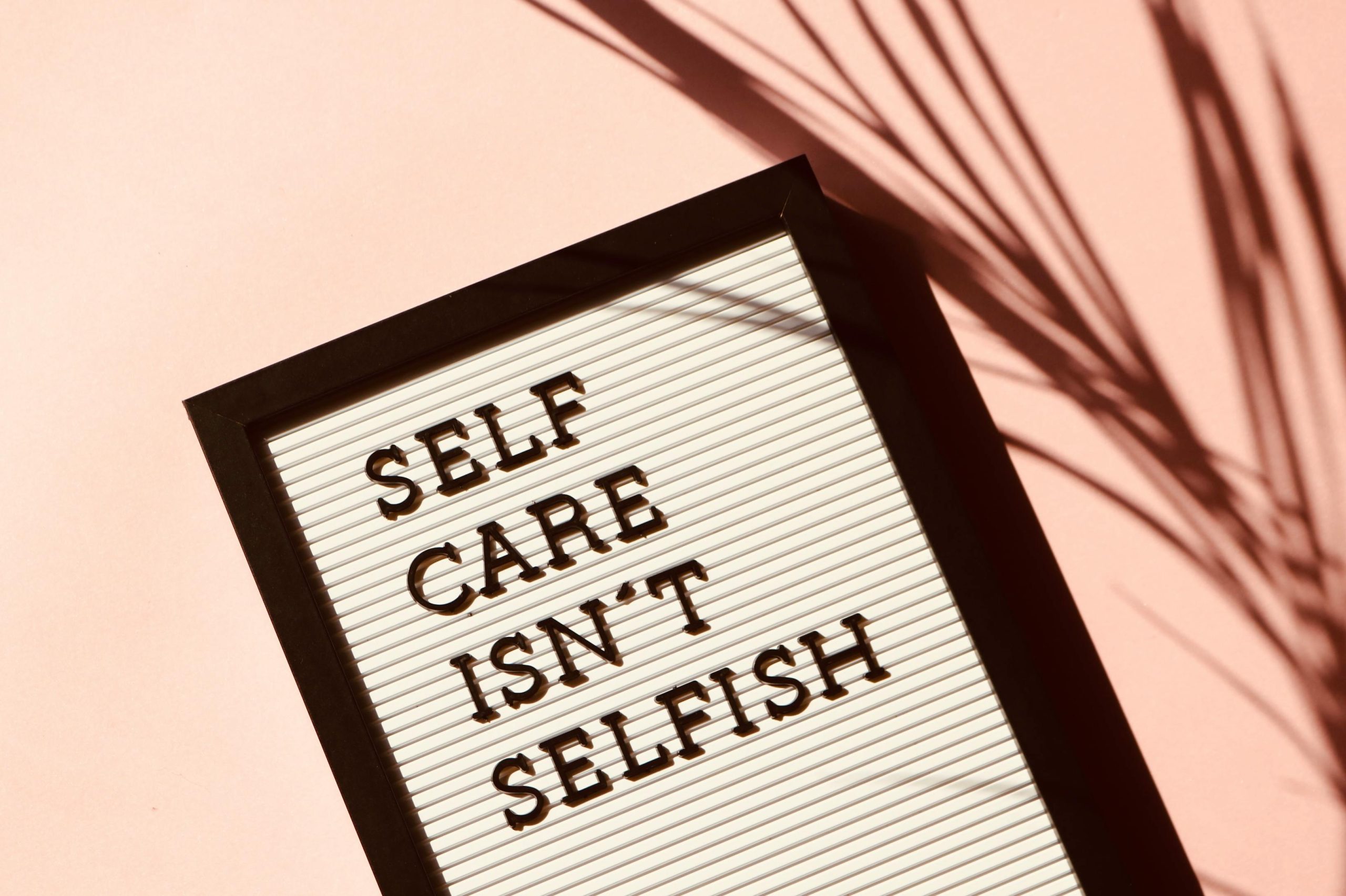
Self-care is not selfish, and it isn’t something that should only happen when you feel completely overwhelmed. It is an ongoing practice that helps you maintain resilience, clarity, and emotional stability in the face of life’s demands.
Understanding Why Self-Care Matters
Many people only begin to think about self-care when they start to feel exhausted, stressed, or emotionally drained. These feelings are often signs that your mind and body are asking for attention.
When self-care is neglected for long periods, it can lead to burnout, reduced motivation, and difficulty coping with everyday challenges. By recognising the role self-care plays in maintaining wellbeing, you can begin to see it not as a luxury, but as a necessity.
Taking time for yourself allows you to recharge, reflect, and return to your responsibilities with renewed energy and focus.
Listening to the Signals Your Mind and Body Give You
Your mind and body often send signals when something isn’t quite right. Persistent tiredness, irritability, difficulty concentrating, or feeling overwhelmed can all be signs that you need to slow down and give yourself space to recover.
Recognising these signals early is an important step in making self-care a regular part of your life. Instead of pushing through discomfort or ignoring your needs, try to acknowledge what you are feeling and consider what might help restore balance.
Shifting Your Mindset Around Self-Care
One of the biggest barriers to prioritising self-care is the belief that you must always be productive or available to others. Many people feel guilty for taking time for themselves, especially when they have many responsibilities.
However, caring for your own wellbeing actually allows you to show up more fully in every area of your life. When you feel rested and emotionally balanced, you are better able to support others, make thoughtful decisions, and manage stress more effectively.
Changing your mindset can help you see self-care as an investment in your overall wellbeing rather than something that takes time away from important tasks.
Creating Space for Self-Care
Making self-care a priority often requires intentionally creating space for it in your routine. This might mean setting aside time during your day to step away from work, spend time outdoors, or engage in activities that help you relax and recharge.
You don’t need large amounts of free time to practice self-care. Even small moments of rest or reflection can make a meaningful difference when practiced consistently.
Scheduling these moments into your day can help ensure they are not overlooked when life becomes busy.
Learning to Set Healthy Boundaries
Prioritising self-care also involves setting boundaries that protect your time and energy. This might mean limiting commitments that leave you feeling overwhelmed or learning to say no when your schedule is already full.
Setting boundaries allows you to maintain a balance between caring for others and caring for yourself. While it can feel difficult at first, healthy boundaries are essential for maintaining long-term wellbeing.
Making Self-Care a Long-Term Habit
Self-care is not something you do once and forget about. It is an ongoing commitment to paying attention to your needs and making choices that support your mental, emotional, and physical health.
Over time, the small actions you take to care for yourself can develop into habits that naturally fit into your lifestyle. Whether it’s taking regular breaks, prioritising rest, or finding time for activities that bring you joy, these habits help create a more balanced and sustainable way of living.
Final Thoughts
Recognising the importance of self-care is the first step toward living a healthier and more balanced life. When you begin to prioritise your own wellbeing, you build the strength and resilience needed to navigate life’s challenges.
Self-care doesn’t require perfection or dramatic changes. It begins with awareness, small choices, and a willingness to value your own wellbeing. By making self-care a priority, you give yourself the support and compassion needed to thrive in both your personal and professional life.
Leave a Reply
You must be logged in to post a comment.