
Author: McInally-Johnston
-
Letting Go of Shame and Self-Blame
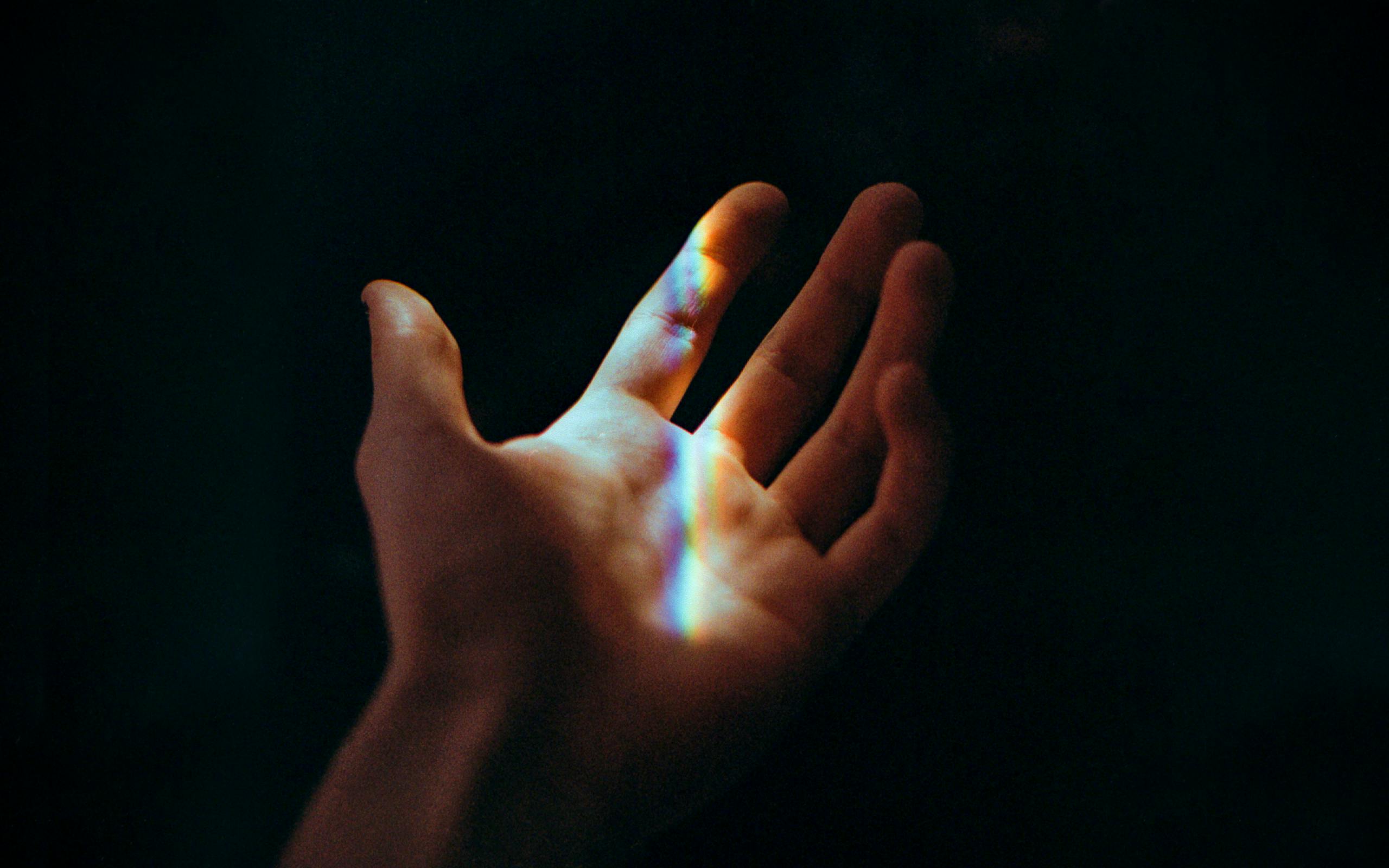
Depression can leave behind a heavy emotional weight. Even after symptoms begin to improve, many people carry feelings of shame about the time they spent struggling. You might find yourself thinking: But depression is not a personal failure. It is a complex mental health condition influenced by biology, environment, and life circumstances. Recovery often involves…
-
Reconnecting With People After Isolation
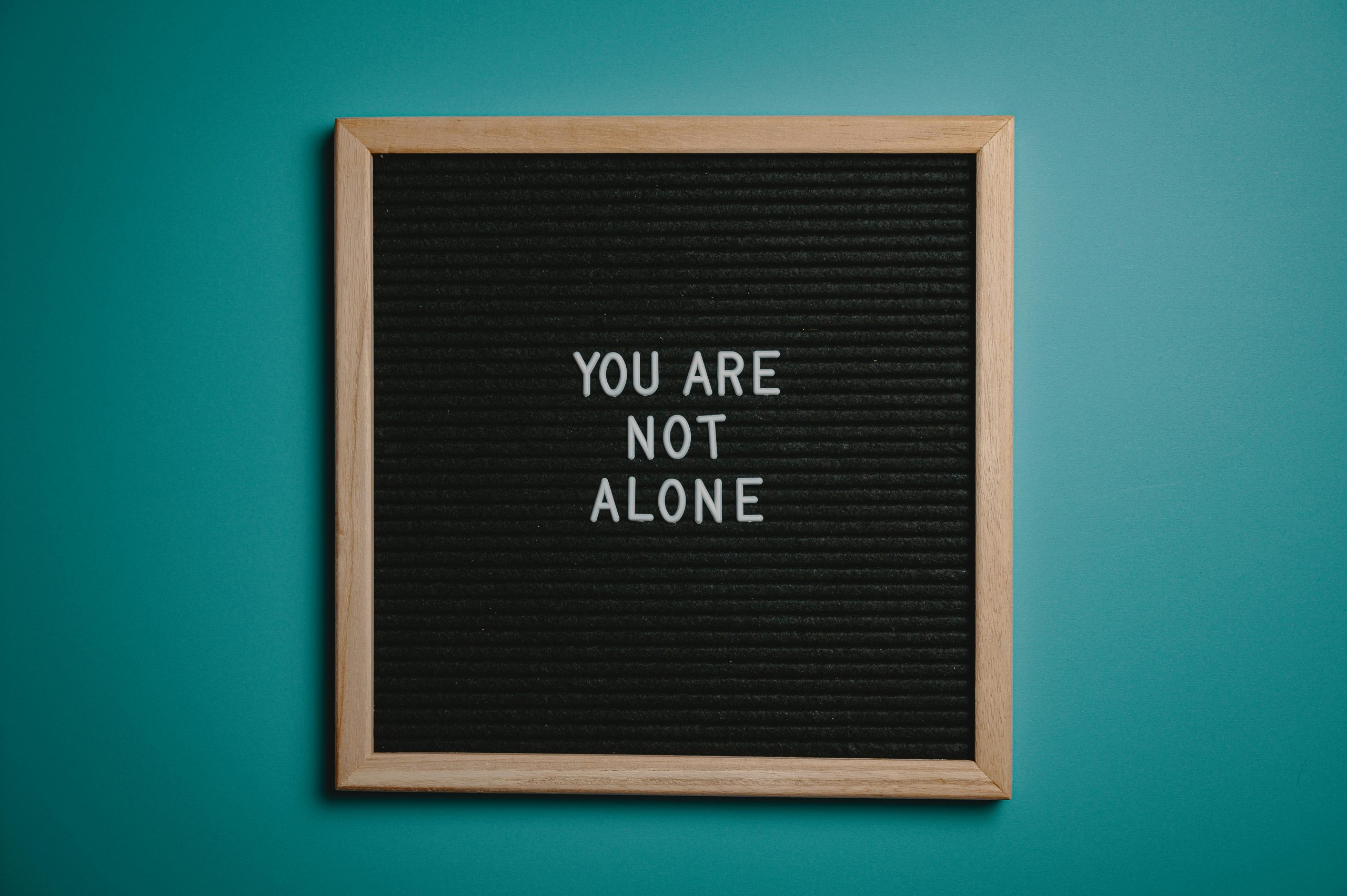
Depression often creates distance between us and the people around us. Messages go unanswered, invitations are declined, and social interaction can feel overwhelming. When you begin to recover, reconnecting with others may feel intimidating. You might worry about how much time has passed or what people might think. However, many relationships are more understanding than…
-
Rebuilding Your Identity After Depression
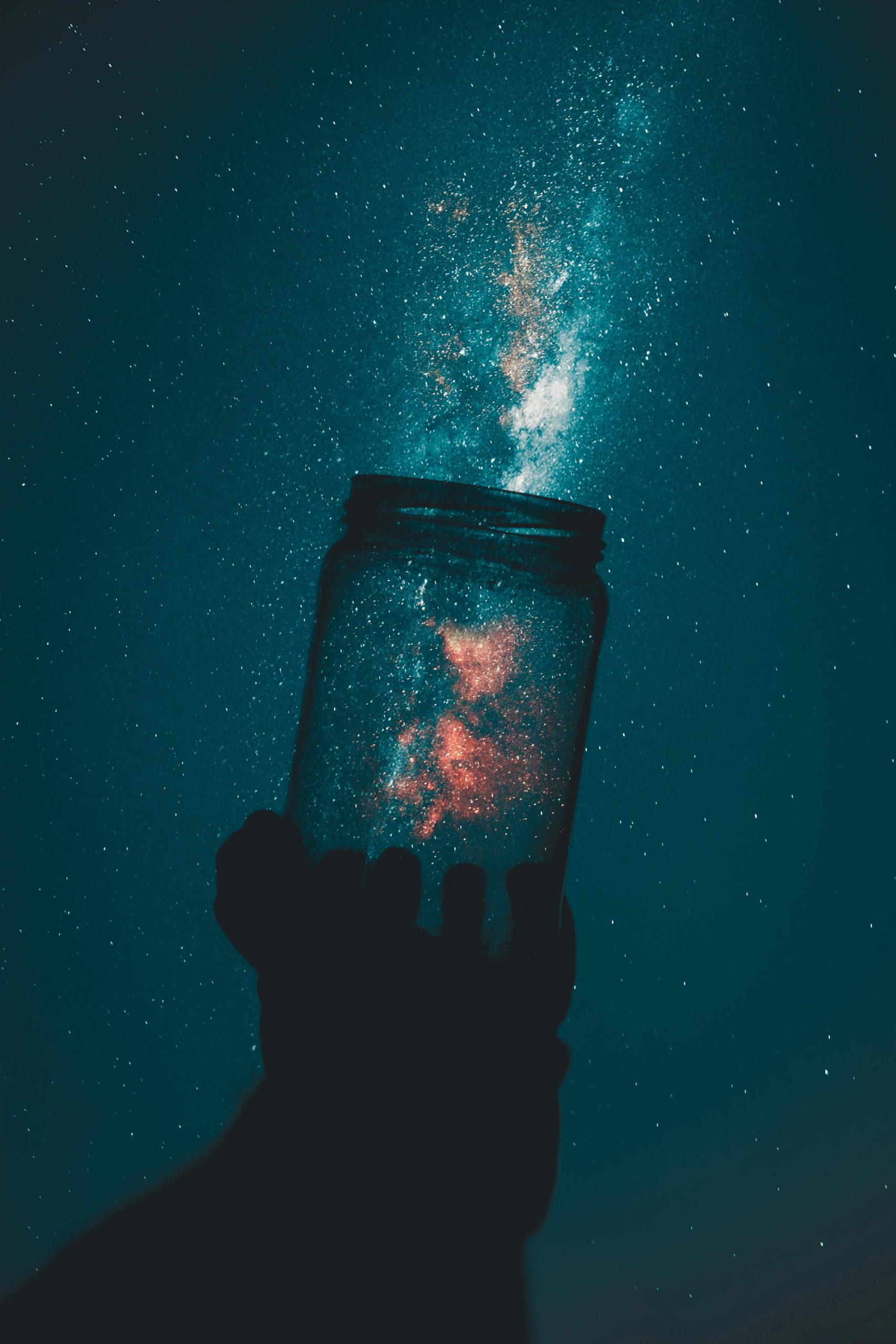
Depression can make people lose sight of who they are. Hobbies fade away. Goals become unclear. Personality traits that once felt natural, humour, curiosity, creativity may feel distant or unfamiliar. As recovery begins, many people find themselves asking an important question: “Who am I now?” The answer may not be the same as it was…
-

Learning to Feel Again
One of the most unusual parts of recovering from depression is the return of emotion. During depression, many people experience emotional numbness. Feelings seem distant or muted, as though there is a barrier between you and the world. When recovery begins, emotions start to return — and not just the pleasant ones. Sadness, frustration, anxiety,…
-

The Quiet After the Storm — Recognising the Beginning of Healing
Depression often feels like living in survival mode. Days blur together, motivation disappears, and even the simplest tasks can feel exhausting. When healing begins, it rarely arrives with a dramatic turning point. More often, it appears quietly. You might notice small changes: * Getting out of bed feels slightly easier * Music begins to feel…